
Borehole Shear Tester
In 1773 a French engineer working in Africa noticed that clay soil can stand in a vertical bank whereas sand slides down. He therefore reasoned that there must be two strength components in soils, cohesion (in clays) and internal friction (in sands). This simple observation was a turning point for geotechnical engineering. The engineer’s name was Charles Coulomb, later of electricity fame.
Cohesion and internal friction both occur in most soils, so measuring one without the other gives only half of the story.
There are two ways to measure soil shear strength:
- Poke the soil with your thumb and take a guess. (This actually can be quite sophisticated but a guess is still a guess.)
- Measure it.
There are two approaches to measuring soil shear strength:
- Bore a hole, sample the soil, and take samples to a laboratory for testing.
- Bore a hole and test the hole. Which do you suppose is more convenient, faster and less damaging to the soil?
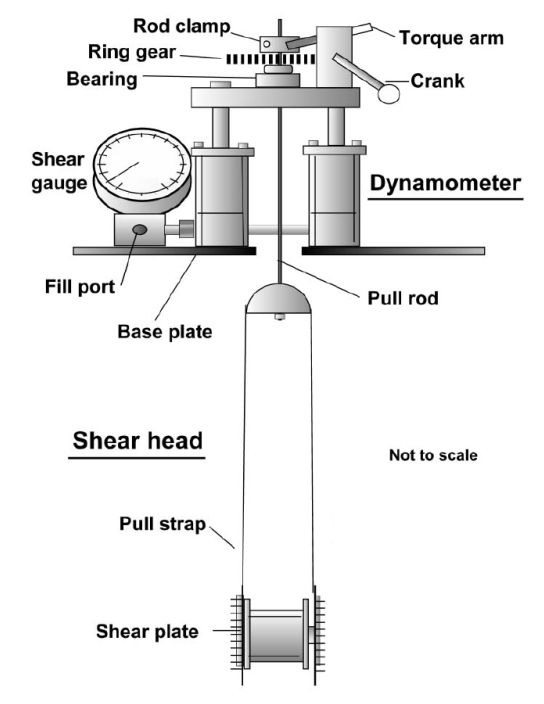
This instrument was developed by faculty and students at Iowa State University.
The BST shear head is opened with air or regulated gas pressure so plates press laterally into the soil. After 15 minutes the shear head is pulled upward. The same procedure then is repeated with progressively higher opening pressures and 5 minute waiting times.
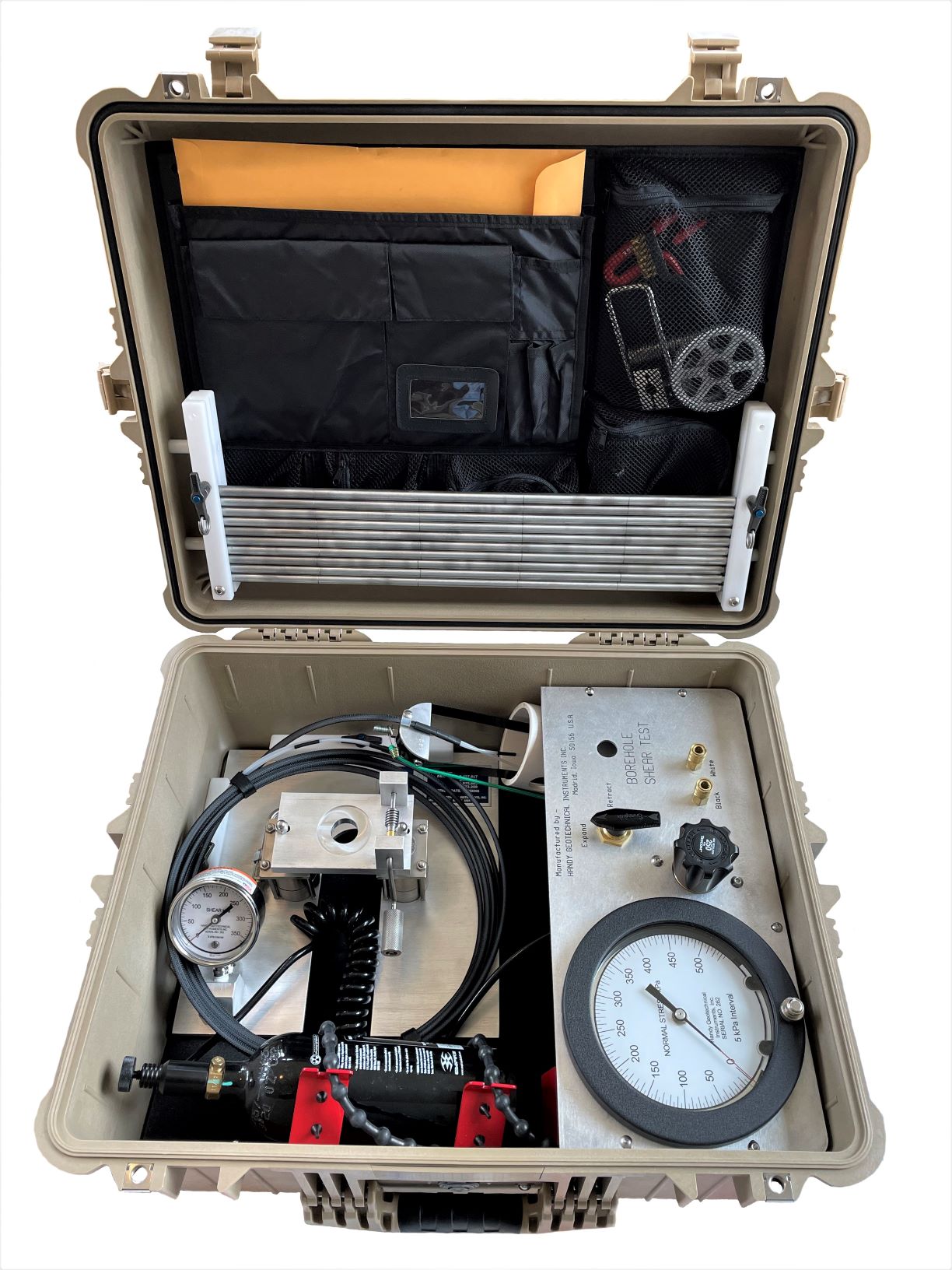
BST Device
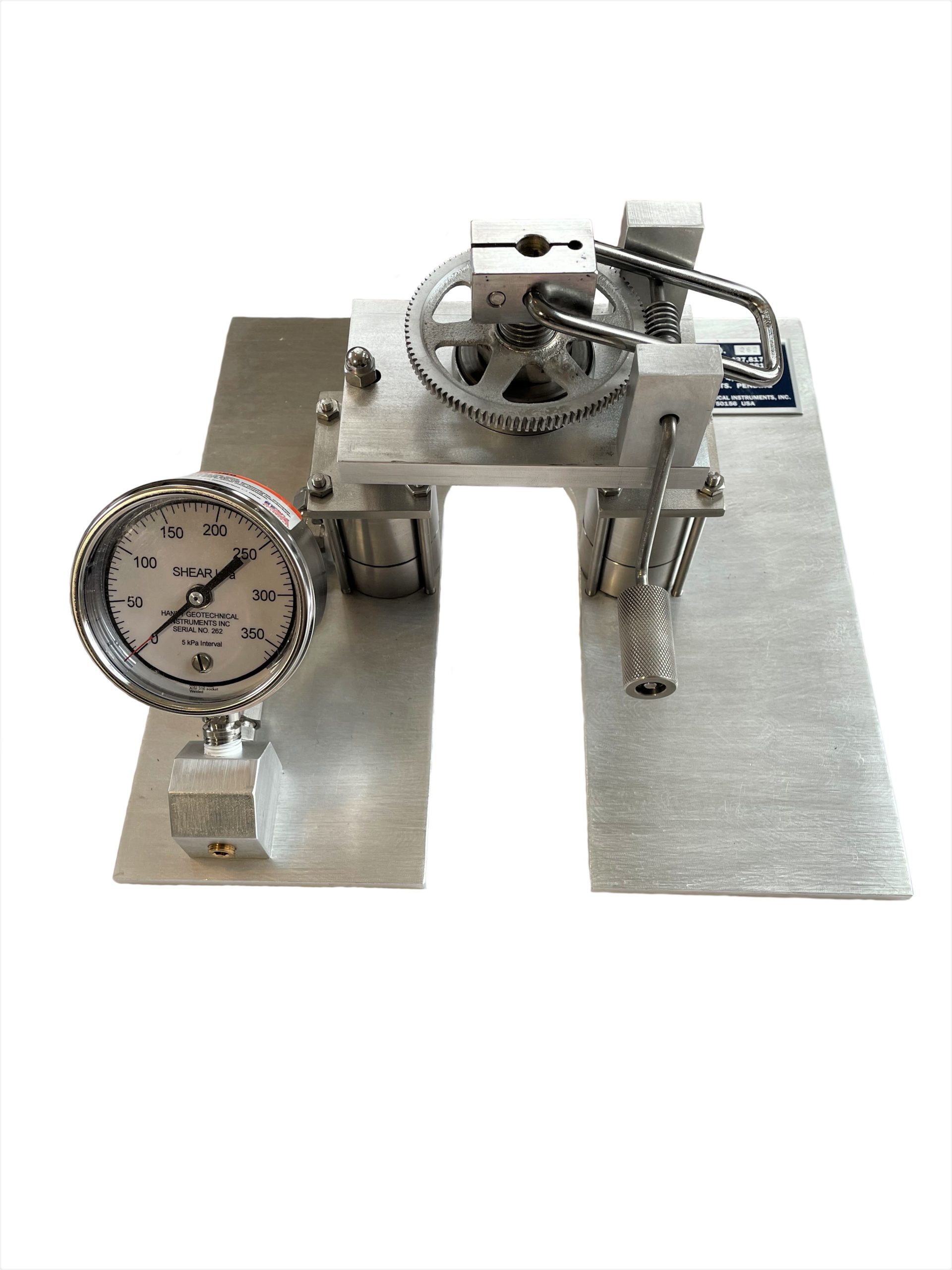
BST Base Plate
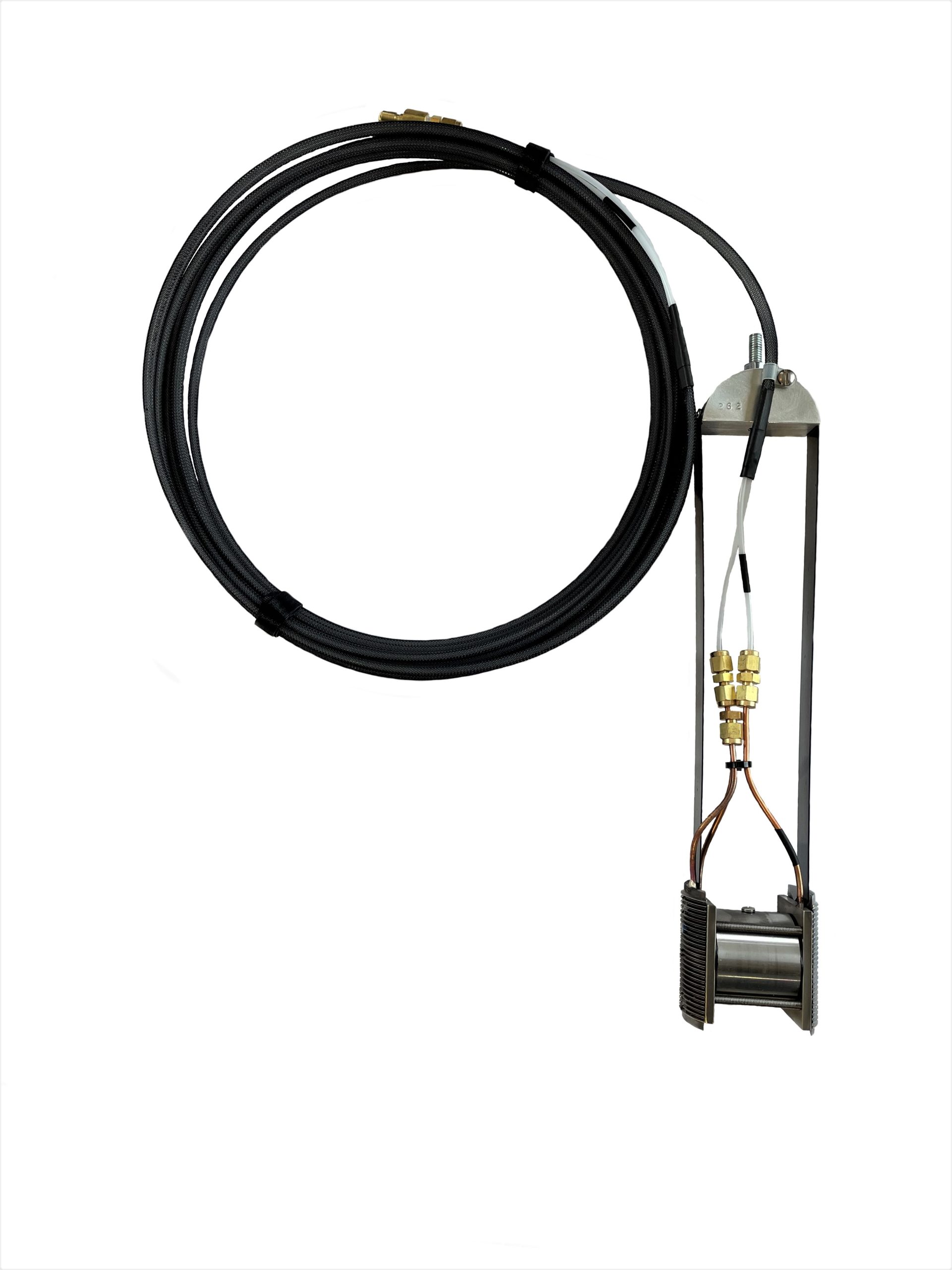
BST Shear Head
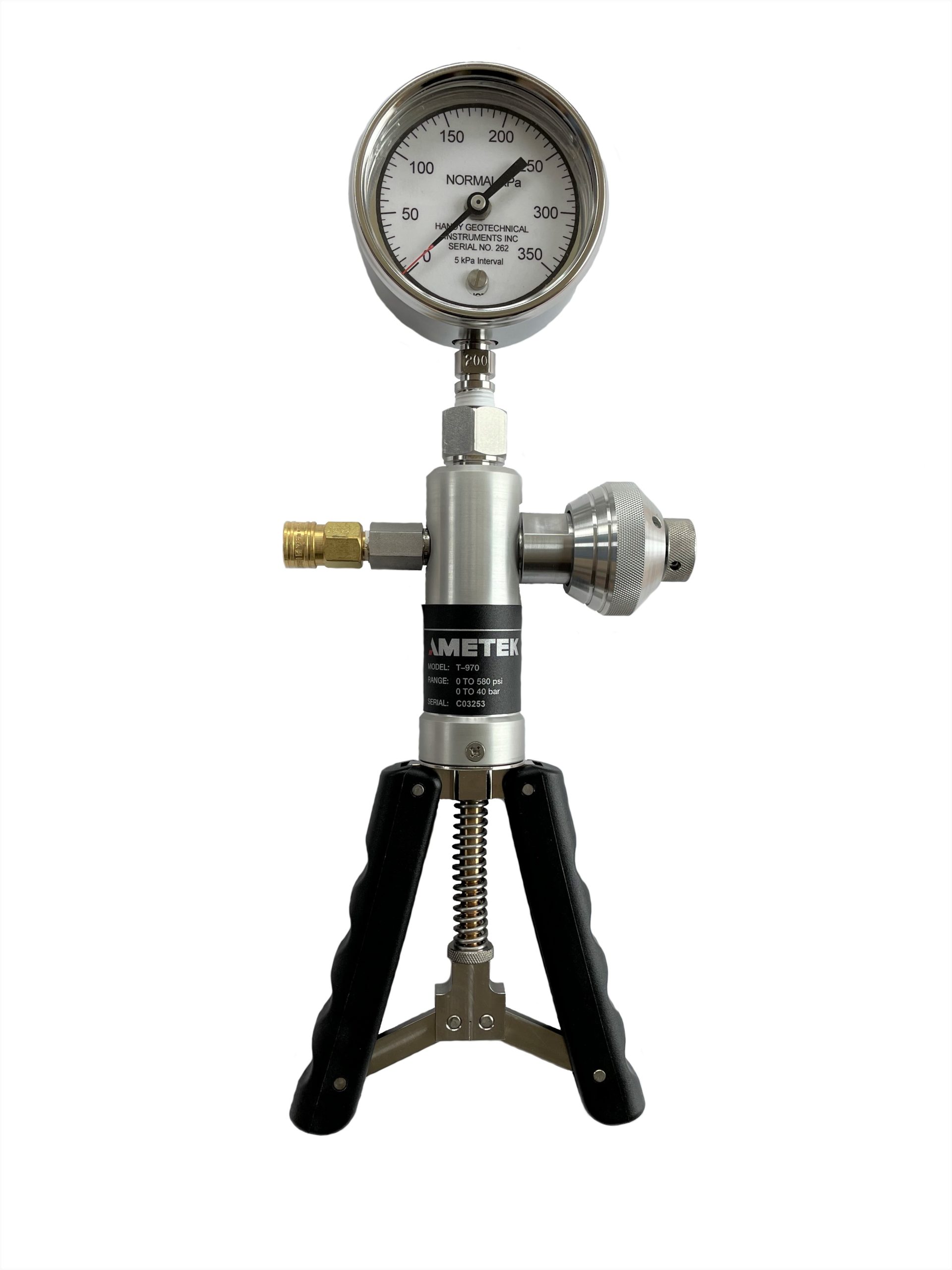
BST Hand Air Pump

Stage testing causes drainage times to be cumulative. Water squeezes out around edges of the shear plates so this is a drained test.
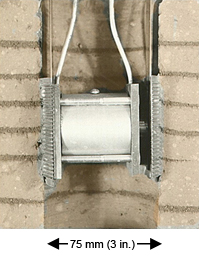
This little gadget recently was credited with saving over $2 million on a difficult landslide repair project involving shale soil in Iowa.
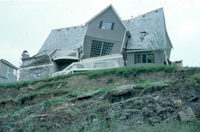
Nice landslide that illustrates why it is important to perform a site investigation before building instead of afterwards when it is too late.
Automated Borehole Shear Tester
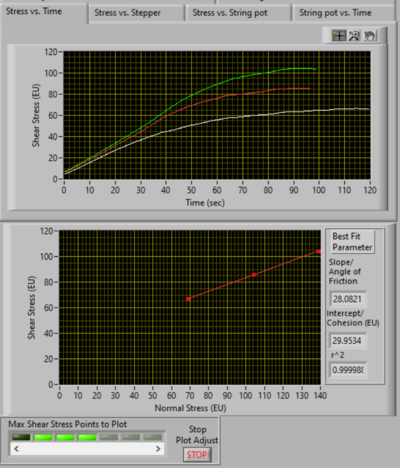
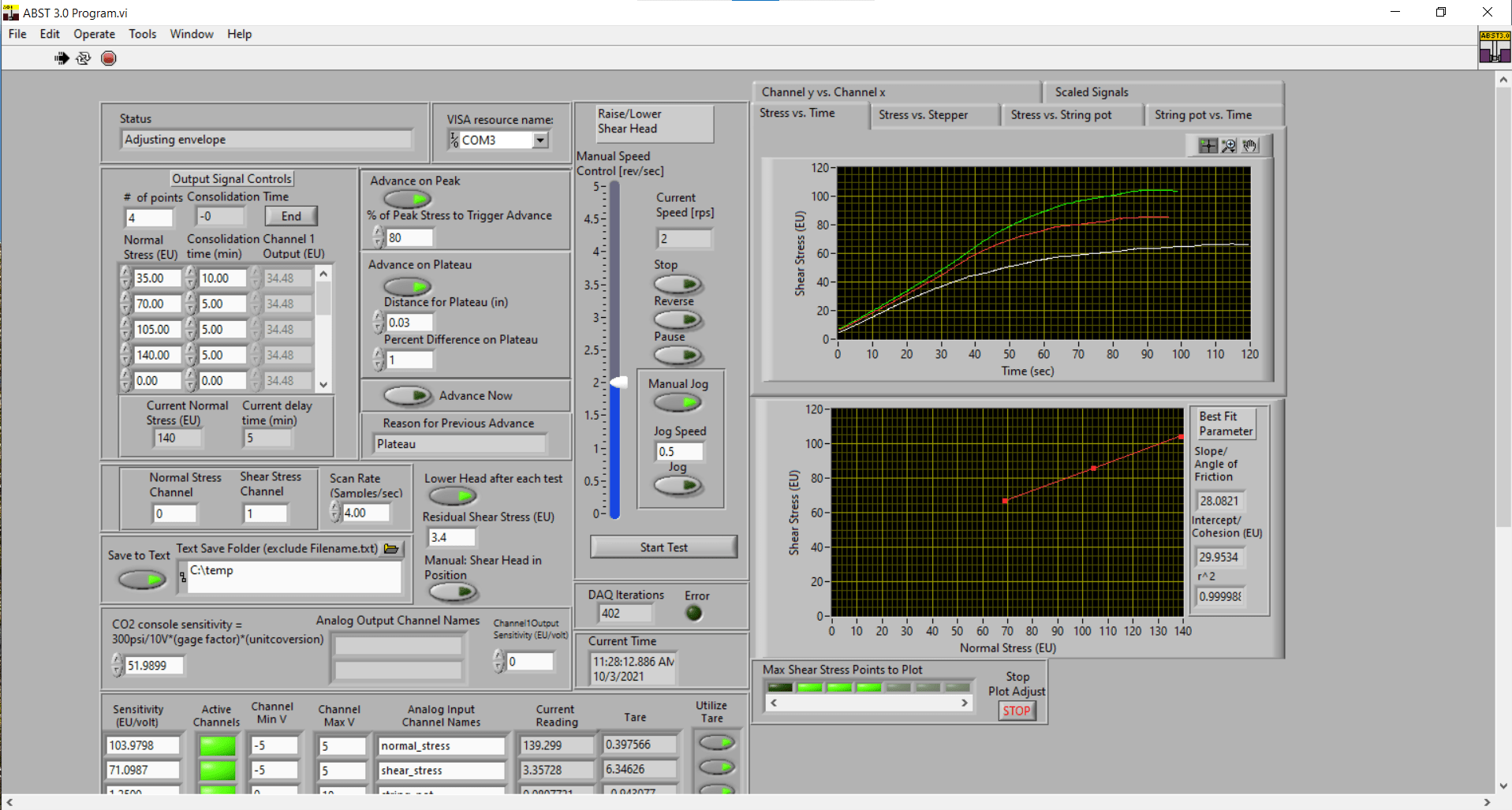
Full automation and one-button testing are an optional attachment for the BST. Applied normal stresses and consolidation times are preselected, shown in a column at the left of the laptop screen. Stress-deflection and shear envelope graphs are drawn as a test proceeds, and cohesion, friction angle, and R2 values are automatically calculated, This test is in glacial till. USA only.

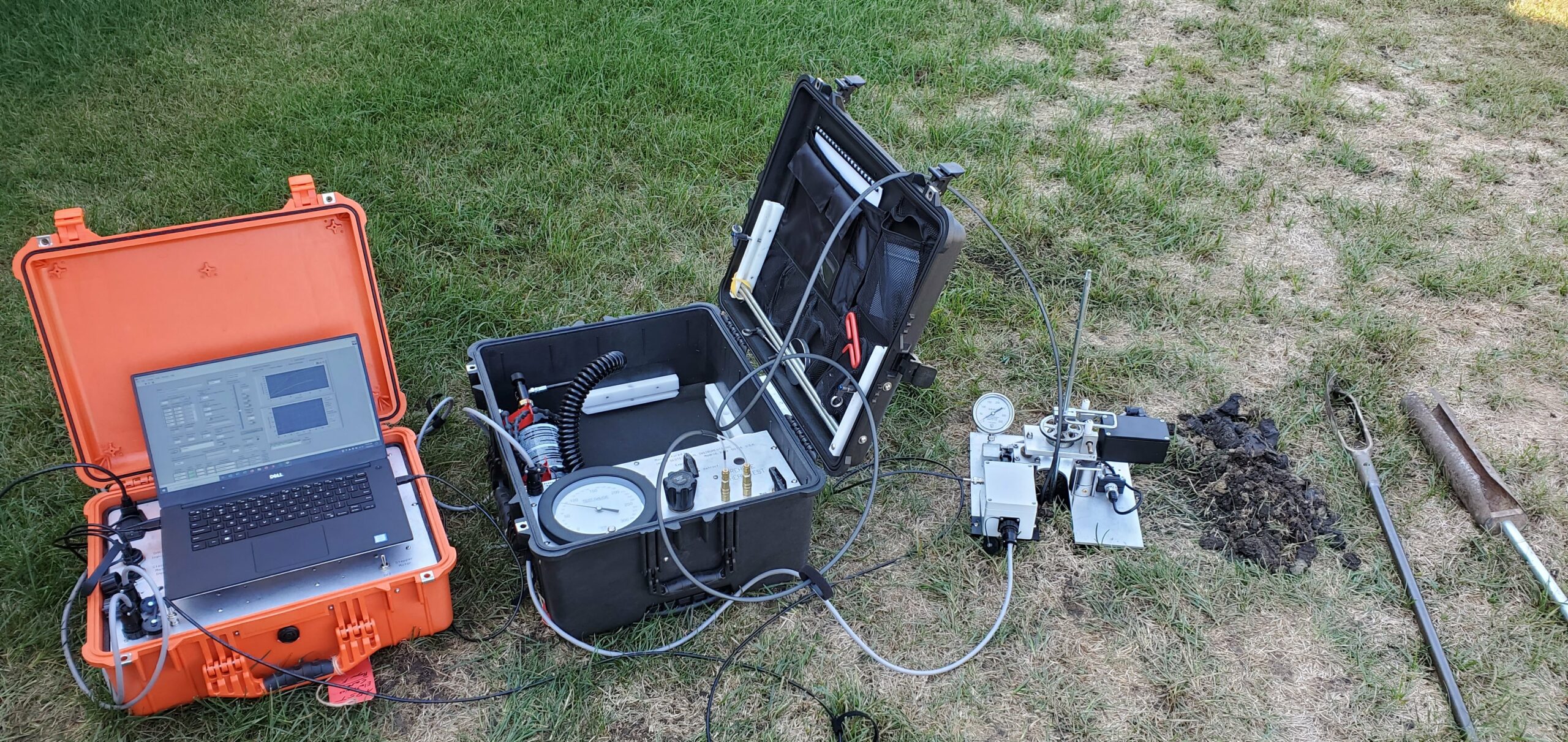
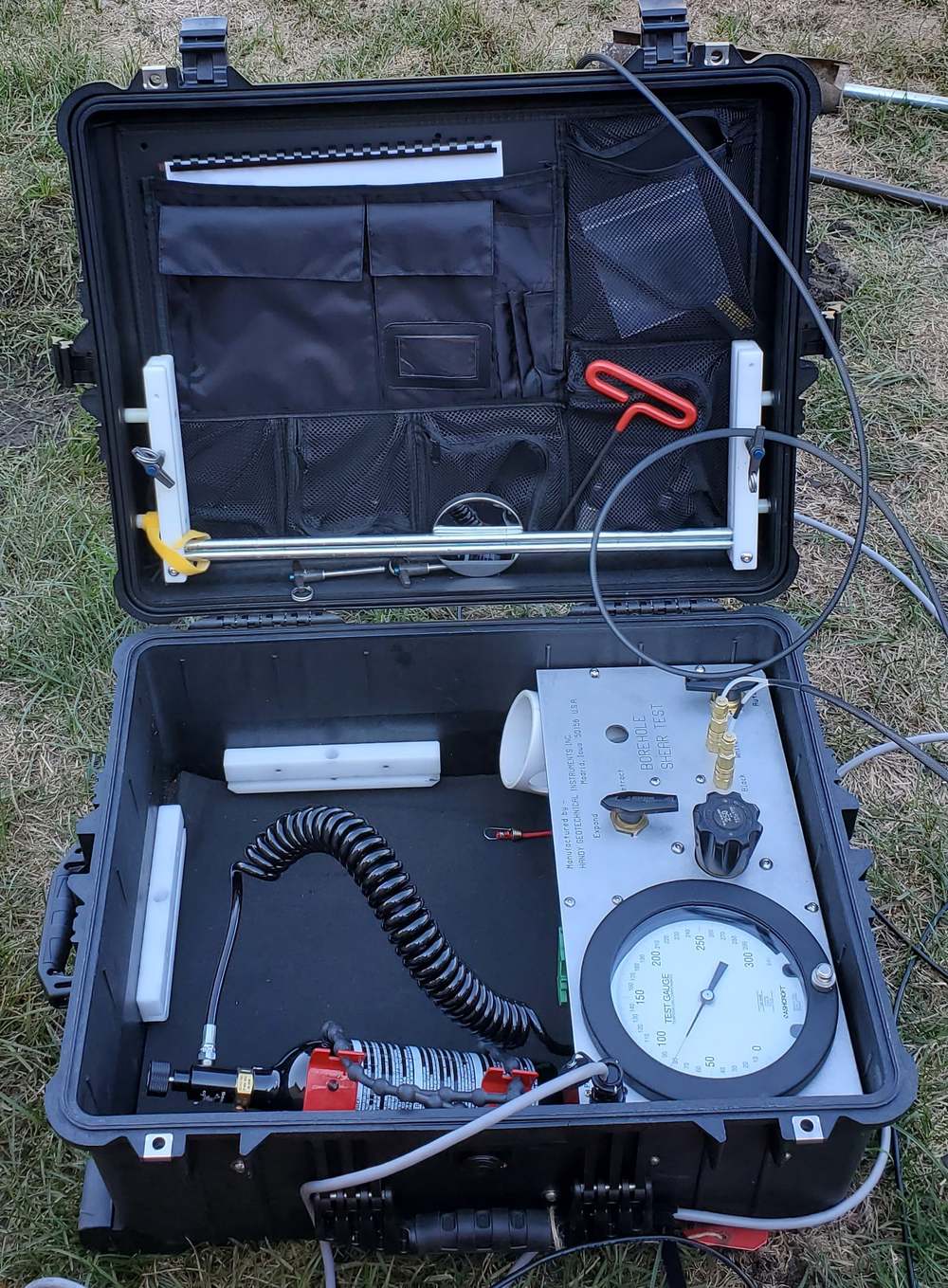
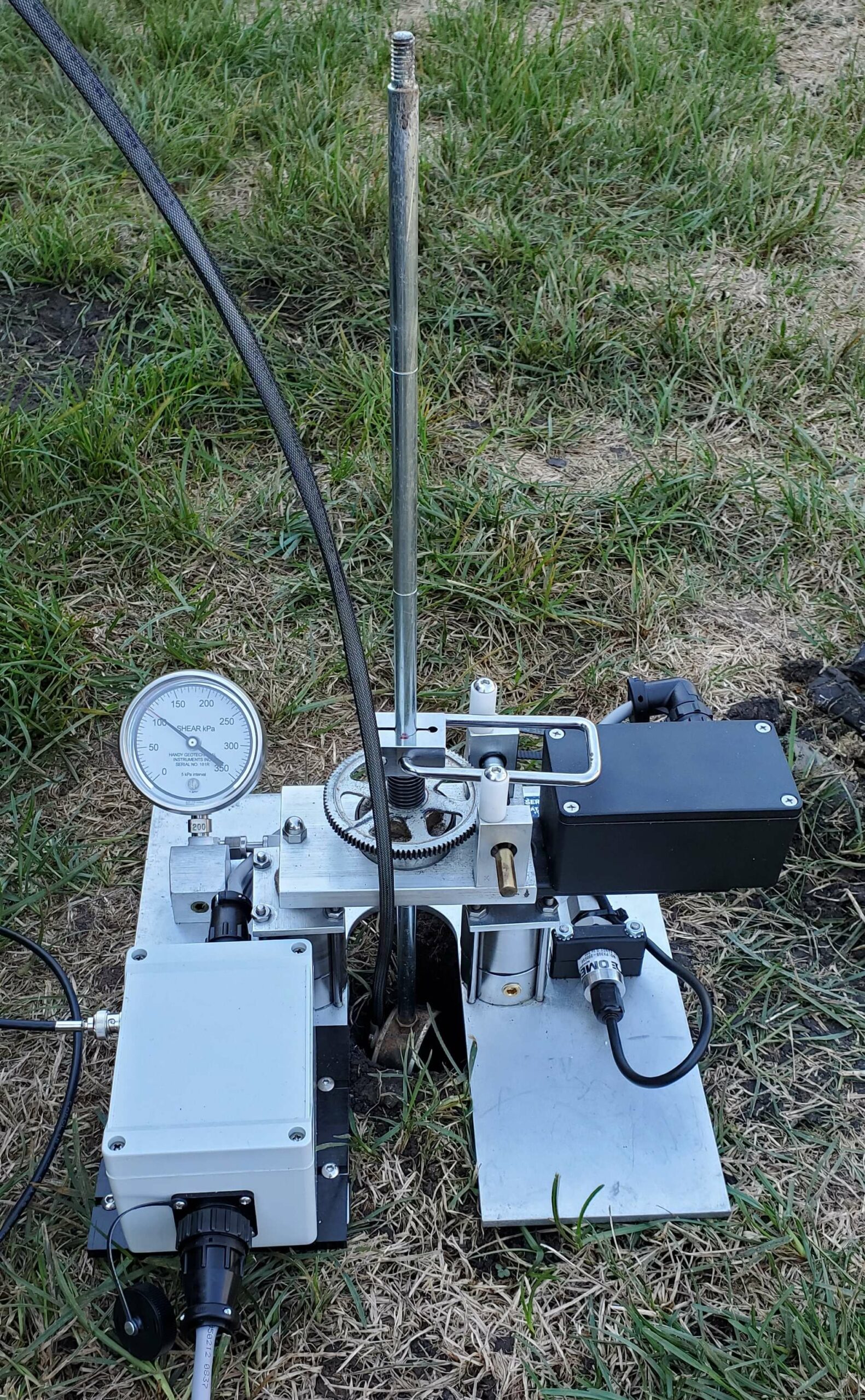
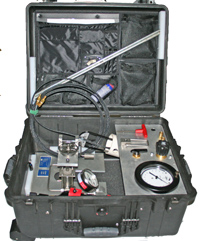
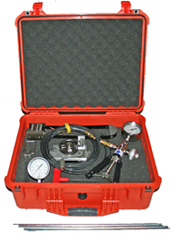
Two self-contained models, one with the hand pump, the other with regulated CO2 supplied from “paintball” cylinders.
The BST has been used on large projects including the Sunshine Skyway Bridge, Tampa, Fla.
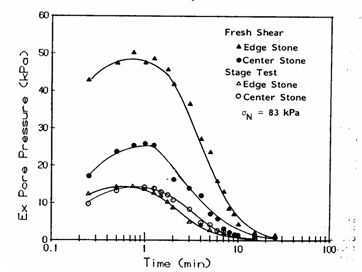
Rapid dissipation of excess pore water pressure. Courtesy of Dr. A. J. Lutenegger, Univ. Mass.
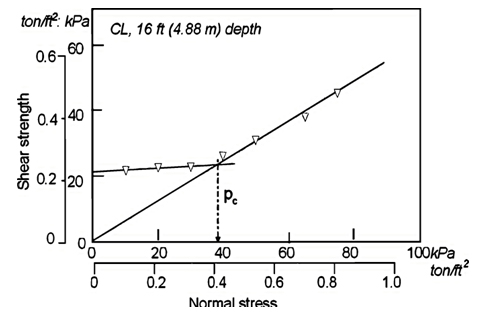
Exceptional precision and effective stress conditions are keys to defining failure envelopes and lateral preconsolidation pressure. Data courtesy of Dr. Evert Lawton, Univ. Utah, Geopier and US DOT.